


Japanese “teriyaki sauce” is Asian thin and not so sweet, but then it became Americanized, which is sweeter and thicker, like in some booty shorts thick cuz Murica.
Featured image: product sizes are not meant to be representational, it’s called photoshop.
Originally posted on: Sept 20th, ’22, Minor updates: on Dec 7th, ’25
Whether you like it thick or thin, these are the best Japanese bottled teriyaki sauces.
The Japanese version of teriyaki (grilling glaze) is a tare (“tah-reh”), and it is a light basting sauce made up of soy sauce, mirin, sake, and sugar. The Americanized version is as Japanese as chicken/veal parmesan is Italian, and they are both American. The difference with teriyaki is that it has more ingredients/spices and is thicker and sweeter cuz Murica.

In Japan, in department store basements, restaurants, convenience stores, to festivals,you can find yakitori, which is grilled chicken with either salt (shio) or a soy sauce-based basting sauce (tare). Soy sauce, mirin, sake, and sugar mixture, aka teriyaki sauces baby’s daddy, is tare (“tah-reh”).
The major flavoring enhancer to a legit tare is chicken drippings (in the restaurant I was at, also the bones).
Quickly scroll to the section you came here for:
1
The best store-bought
Japanese/Japanese American teriyaki sauces.
2
Best brands for ingredients (homemade)
You will need to produce your own teriyaki sauce (super easy recipe).
3
Restaurant teriyaki sauce brands
Used by restaurants.

Disclosure:
I only recommend products I would use myself, and all opinions expressed here are my own. This post may contain affiliate links that, at no additional cost to you, I may earn a small commission.
If you are new to my blog, I do not do “5 or 10 best” lists to solely fill my pockets as an Amazon Associate or other affiliate program. My main motivation is to put out legit content on Japanese food and culture in the United States (I am Japanese American), rather than being an Amazon affiliate/cuck.
I am an Amazon Affiliate, but I will not sell out over pocket change (for a Bugatti, Tesla CyberTruck, or a Super73, we can talk).
What do I mean by “OG Japanese Teriyaki Sauce”?
Many of these brands have been around for four or more decades, and they started in the Japanese American community when soy sauce was a foreign condiment and sushi was considered fish bait (only Claire “the Princess” was down because she has been OG since ’85). You have got to be gangsta to have survived as brand that long during that time in America.

The best store-bought bottled Japanese teriyaki sauce brands (the TL;DR)
I do not label this generically as “restaurant-style” teriyaki sauce because you can buy the teriyaki sauce that many restaurants use.
You can scroll through the entire list which is in alphabetical order, but as it happens, Bachan’s is the best teriyaki sauce and the closest to homemade (I know because I purchased it myself and refused any free products).
All the teriyaki sauce brands have a distincive trait, and one that I don’t have listed is by the Italian American company, Mezzetta and their Kona teriyaki sauce.
| BRAND NAME | A BRIEF WHO ARE THEY |
|---|---|
| Bachan’s | To me, this is the American brand out of the Yay Area that I think is the best, and the owner and his family are why you’ll want to support the brand. |
| GoJo | This brand is out of Kansas City, Missouri and the family ran a teppanyaki restaurant for over four decades. Now, the next generation are delivering up their sauces to a whole new generation. |
| Kikkoman/ Takumi | The biggest soy sauce producer in the world, and the Japanese don’t hype everything under the guise of health, but Kikkoman epitomizes soy sauce production for its commitment to natural fermentation and simple ingredient lists, and traditional process using just soybeans, wheat, water, and salt. |
| Otafuku | A Japanese brand known for its range of vegetable and fruit-based (vegan/vegetarian) sauces. Otafuku offers your regular sizes along with bulk-buy teriyaki sizes used by restaurants with a sweet and tasty flavor to match. |
| San-J | An eight-generation brand originally from Japan, and they are the leader for gluten-free soy sauce or tamari in Japanese. |
| Soy Vay | Oye vey, yeah, I invited the brand to the cookout even though they do not have any Japanese or Japanese American connection. |
| Toshi’s | Toshi’s Seattle Style Teriyaki sauce is another old-school Japanese American brand out of the PacNW from the ’70s with a minimalist flavor. |
| Yoshida’s | This brand is LOVED and was a Japanese American brand from the early ’80s. At that time, it had a 75% club store market share and a $20 million dollar annual revenue before being bought out by Heinz in 2000. |
I listed everything right up front, so that I can minimize the scrolling for you 13 second attention span types.
In alphabetical order
Top-notch ingredients and the fam/people (Vin Diesel isn’t the only one with family) behind the brand only heighten the brands coolness factor.
Bachan’s Teriyaki sauce and Gluten-free Teriyaki sauce.

Bachan’s
Bachan’s offer up several variations of teriyaki sauce:
Original Japanese Barbecue Sauce, Roasted Garlic Japanese Barbecue Sauce, Sweet Honey Japanese Barbecue Sauce, Sweet Pineapple Japanese Barbecue Sauce, Sweet & Spicy Japanese Barbecue Sauce, Hot Honey Japanese Barbecue Sauce, Hella Hot Japanese Barbecue Sauce, Yuzu Citrus Japanese Barbecue Sauce, Miso Japanese Barbecue Sauce, Gluten-Free Japanese Barbecue Sauce, Original Dipping Sauce, Sweet & Spicy Dipping Sauce, Totally Garlic Dipping Sauce
An old-school brand branching out to bottled sauces by the Yamanaka family known for their teppanyaki/steakhouse (or what middle America calls “hibachi”) out of Kansas City, Missouri.
GoJo’s Teriyaki sauce

GoJo
This family offers four different types of sauces (not all teriyaki):
Hibachi Yellow Sauce, Teriyaki Glaze & Baste, Miso Ginger Dressing, Sesame Dressing & Dipping Sauce
The world’s largest soy sauce producer in the world (if only I could tout being the largest, that ought to count for something, unless it’s a nose).
Kikkoman Teriyaki sauce, Gluten-free Teriyaki, Roasted Garlic Teriyaki, Less Sodium, 47% less sodium marinade and sauce.

Kikkoman
Kikkoman has a massive product line:
Teriyaki Marinade & Sauce, Less Sodium Teriyaki Marinade & Sauce, Roasted Garlic Teriyaki Marinade & Sauce, Gluten-Free Teriyaki Marinade & Sauce, 50% Less Sodium Gluten-Free Teriyaki Marinade & Sauce, Teriyaki Baste & Glaze, Teriyaki Baste & Glaze with Honey & Pineapple, Teriyaki Takumi Original, Teriyaki Takumi Garlic & Green Onion, Teriyaki Takumi Triple Ginger, Teriyaki Takumi Korean BBQ, Teriyaki Takumi Gochujang Spicy Miso
Kikkoman markets their Takumi (an unrivaled craftsmen aka artisan) line of sauces as “America’s Artisan Teriyaki™,” k’den.
Takumi Takumi teriyaki sauce, Takumi Garlic and Green Onion Teriyaki sauce, Takumi Gochujang Spicy Miso, Teriyaki Triple Ginger.

Kikkoman Takumi
As mentioned above of the full soy-based sauce product line-up.
A Japanese brand known for its range of vegetable and fruit-based (vegan/vegetarian) sauces. Otafuku offers your regular sizes along with bulk-buy teriyaki sizes used by restaurants with a sweet and tasty flavor to match.
Otafuku Teriyaki sauce

Otafuku
These are all variants of soy based sauces (not strictly teriyaki):
Okonomi Sauce, Spicy Okonomi Sauce, Takoyaki Sauce, Yakisoba Sauce, Tonkatsu Sauce, Katsu Sauce, Sushi Sauce, Vegan Ponzu, Smoky Teriyaki Sauce, Salmon Sauce, Tokyo Sukiyaki Sauce
San-J is the leading Japanese/Japanese American tamari (gluten-free) producer out of Henrico, Virginia, and their 8th-generation CEO, Takashi Sato (click the link to read the interview and you will know why I think that), is cool AF.
San-J Gluten-Free Teriyaki sauce

San-J
San-J offers a gluten-free product line of soy-based sauces:
Tamari Soy Sauce, 28% Less Sodium Tamari Soy Sauce, Tamari Lite 50% Less Sodium Soy Sauce, Organic Tamari Soy Sauce, Organic 25% Less Sodium Tamari Soy Sauce, Organic Tamari Lite 50% Less Sodium Soy Sauce, No Soy Tamari, Organic Shoyu Soy Sauce, Umami Tamari Splash, Sweet Tamari Splash, Citrus Tamari Splash, Teriyaki Sauce, and Teriyaki Lite.
Oye vey, a Jewish dude (the founder) and possibly a Chinese chick (cuz Oriental) out of Oakland, CA, came together to make some Japanese-American love sauce with a Hanukkah color/themed bottle (the only other to use blue is Bachan’s). Also, I have no clue why they added vegetable oil, and maybe they are likening it to a salad dressing?
Soy Vay Veri Veri Teriyaki sauce. Also, this brand has nothing to do with the Japanese American community, but I grew up in neighborhood with a ton of jews, so I have a bias to include this product.

Soy Vay
Three teriyaki sauce variants:
Veri Veri Teriyaki Marinade & Sauce, Veri Veri Teriyaki Less Sodium Marinade & Sauce, and Island Teriyaki Marinade & Sauce.
Toshi’s Seattle Style Teriyaki sauce is another old-school Japanese American brand out of the PacNW from the ’70s with a minimalist flavor which is not bad because a basic homemade version is simply good.
Toshi’s Seattle Style Teriyaki sauce

Toshi’s
Strictly focused on teriyaki sauce.
This brand is LOVED and was a Japanese American brand from the early ’80s. At that time, it had a 75% club store market share and a $20 million dollar annual revenue before being bought out by Heinz in 2000.
Yoshida’s Teriyaki sauce

Yoshida’s
Strictly focused on teriyaki sauce.
For many of you, the above, “that’ll do,” but for you Aziz Ansari types with 18 tabs open wanting more, keep reading.
Decades of experience testing and trying a variety of teriyaki sauce brands
I remember when I did not know how to cook worth a crap, and the extent of my cooking ability was chicken in a casserole dish with BBQ or teriyaki sauce dumped on it, none of it good (my college years *self-edit,* I am lying, I mean my “junior college years”).
I always wondered why bottled teriyaki sauce typically sucked compared to most restaurant or homemade versions.
I seriously did wonder why the Kikkoman teriyaki sauce was mediocre since they are the biggest Japanese soy sauce company.
Decades later, I feel as though I have been through several brands of the bottled stuff, but during that time, I had also taken up cooking and worked BOH in a Japanese restaurant, so I have become proficient enough to whip up a teriyaki sauce in a matter of minutes.
Why no La Choy or PF Chang’s teriyaki sauce?
If you are looking for the best of the best of the best, then I have left some brands out because PF Chang and La Choy are both brands with no roots in Japanese cuisine. Yea, I know, neither does Soy Vay, but they do not have a multi-million dollar marketing budget to leverage themselves like PF/La Choy, a Conagra Brand. A few of their brands are SlimJim, Gardein, Duncan Hines, Healthy Choice, Hunts, Marie Calender’s, and Reddi Wip, are just a few of their brands.
The poster child of quality is Kikkoman (except most do not know it)
Many Japanese products use high-quality ingredients and processes, but they do not hype it like American brands do, which rely on the marketing hype, more than the quality of their product sometimes.
Quality is an inherent part of many Japanese products, it is typically what “made in Japan” stands for.
When was the last time you saw a Sony advertisement? If you thought, “I have not seen one in a while or ever,” it is because the Japanese do not do marketing, and they expect the quality of their product to speak for itself, like Apple (except, most are not Apple where “the product will self itself”). It is also why you will not find “kosher, gluten-free, naturally brewed, no preservatives, no HFCS, organic, and non-GMO” plastered all over the packaging, even though Kikkoman and many other brands exemplifiy all those qualities in many of their products.
What teriyaki sauce brands are included and what should you expect in this listing
I do not say I have an Italian or “European” marinara recipe and substitute plum tomatoes for red bell peppers or tamarind paste because “like, it’s so in.” So you will not find coconut aminos here (GTFO with that) or brands that think they are cooler than cool while culturally appropriating Japanese and Asian culture because what makes it a “teriyaki” when you have removed every key ingredient?
Many of these products you will not find on other lists because they are not me brah, and I put in the work to hype lesser known brands worth the recognition from and outside the Asian American community.
This is intended to be the end all and be all of teriyaki lists. Well, till some hack media outlet writer working towards a raise and or a promotion picks the information from it (you will know because no other lists at the time of the posting has the majority of these brands listed).
The goal is to hype up brands that are dedicated to the craft of producing a product that is not just about the numbers on an Excel spreadsheet. I also obviously avoid the brands playing off of Japanese culture by “ching chonging” it up, like thinking all Asians are the same or calling their product “teriyaki” when it has nothing to do with it, like this major douche brand/product. This hack brand/product rides off the coattails of Asian-Americans like today’s movie re-makes.
The people and generations of craft behind these Japanese teriyaki sauce brands
This is the sort of stuff I nerd out about because I spent most of my life building brands, so I like to know the individuals, families, or the booty kick’n corporations behind the brand.
| BRAND/ ESTABLISHED IN | MY RAMBLINGS ABOUT THESE BRANDS |
|---|---|
| Bachan’s Sebastopol, California | Just like the sauce, a Japanese American doing a Japanese American sauce the legit way, with quality ingredients. I also give dude a TON of credit because I came across his product via an IG ad that I said “Japanese don’t bbq, so this is BS.” Did dude get butthurt, nope! He engaged in convo cuz he’s gangsta. |
| GoJo Kansas City, Missouri | Many of you do not know what it is like to be the only person of your race or ethnicity to live in a state as a minority, but Kyo Yamanaka does (like I do, but in Colorado). She is one of three daughters of the 40-year-old GoJo Japanese steakhouse in Kansas City, MO, which her pops started. He started it at a time when soy sauce was an unheard of foreign condiment and sushi was fish bait, which is why steakhouses opened, and Benihana had an ad campaign saying, “no slithery, fishy things.” |
| Kikkoman Noda, Japan | A giant-global-hyper-mega-soy sauce company, and “yes,” I am playing off of the episode of the Simpsons where Homer Simpson starts a company. Also somewhat like the Simpsons’, Kikkoman has a facility smack dab in Middle America, |
| Otafuku Hiroshima, Japan | A Japanese company established in 1922 in Hiroshima, Japan. Now, the company is operating in the US with a branch in Torrance, CA (the Southbay), and I have to hype them because this company is one of a handful of Japanese companies that tries to engage all of us Americans (most just rely on the Japanese living in the US). |
| San-J Henrico, Virginia | San-Jirushi is an eight-generation, family-run company that was not afraid to dive right in by opening up a facility in Henrico, VA. Most Japanese fled to large communities of Japanese like Los Angeles, except papa Sato wanted the real American experience, so he chose Virginia in 1987 to open a brewing facility in the US of A. Now, his son, Takashi Sato, who is also a badass individual, and the CEO of San-J is carrying on that legacy. |
| Soy Vay Oakland, California | Oye vey, a Jewish dude and a Chinese chick team up to do sauce in the Yay Area (aka “SF Bay Area” and home of Too $hort), and they are also certified Kosher by the Orthodox Union, like Kikkoman. |
| Yoshida’s Seattle, Washington | Japanese dude said he came to the US in 1968 with only $500, but *wah, *wah, *wah, I Googled how much that is taking inflation into account and it came out to $4,255. Dude could have bought a ’68 Mustang for $2,600 and had change leftover, and I know because my mom has a ’68 in Sea foam green with the 289 and her original receipt. Oh, and Heinz bought Mr. Yoshida’s (Yoshida Food Products Company Limited Partnership of Portland, Oregon) back in 2000 for an undisclosed amount, but the brand was doing 20 million dollars annually at the time. |
I have also tried Mezzatta’s Kona Coast Island Teriyaki Marinade and grilling Sauce from the SF-based Italian-American family-owned company. The company specializes in products such as olives and peppers, and I have several of their products in my fridge (marinated and pickled veggies). Those products seem to influence their teriyaki sauce with chunky bits of garlic, sesame seeds, and ginger, which results in a uniquely tasty teriyaki “salsa,” the Chicano influence.

Homemade teriyaki sauce and the most popular brand of ingredients for Japanese teriyaki sauce
Bottled vs. homemade teriyaki sauce? If you want to know where I stand? I say “homemade FTW (for the win),” and if you want to convert from being on the bottle to individually selecting the ingredients you want to use (like craft or specialty soy sauces and mirin), here you go:
It takes me less than 5 minutes? to produce a homemade teriyaki sauce, and depending on the extent of sauce you want to make, you only need a sauce pan, the FOUR main ingredients below (soy sauce, mirin, sake, and sugar), and ideally a microplane grater for the optional ginger, garlic, or orange zest.
Actually I never timed myself, but it feels like less than 5 mins.
Also, if you want to prepare your own teriyaki sauce, go to Just One Cookbook (the only legit recipe). The rest of the stuff out there can be a clusterf*ck of BS coming out of their culo because a few make absolutely no sense.

A. Soy Sauce
Soy sauce: Kikkoman koikuchi (recommended brand/type)
General purpose soy sauce although you can use reduced sodium or gluten-free.

B. Mirin
Mirin: Kikkoman aji-mirin (recommended brand/type)
Manjo Aji-mirin a very popular type of mirin, and if you want to go fancy, a hon-mirin (a “‘true” mirin) is what you want to use.
You do not have to use sake if you are trying to avoid alcohol, but keep in mind mirin does contain a small percentage of alcohol, especially the aji-mirin product by Kikkoman which isn’t a true (hon) mirin.
I have made a basic teriyaki sauce from just soy sauce, mirin, and sugar.
C. Sake
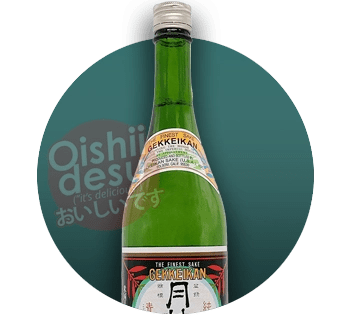
Sake: the two most common and affordable sakes are Ozeki and Gekkeikan (recommended brand/type).
Pick one or two if you really like to drink or cook with sake.
Majority of the time for my homemade, I don’t use sake because I typically don’t have it on hand because I drink it.

C. Sake
This is my go-to brand, only because we used in the restaurant I used to work at.
The other ingredients you will need, you will most likely already have.
The only ingredient below you will see in a Japanese recipe will be sugar.
D. Sugar
It is always a toss up between sugar or brown sugar which is sugar with molasses.
E. Cornstarch
If you like it thick, like a thick thighed Pinay in booty shorts, you will use a corn-starch slurry (water and cornstarch) to produce a thick teriyaki sauce.
F. Optional
Yo, this is where you can make it your own with garlic, ginger, diced green onion, pineapple/prune/pears, chicken bouillon, tomato paste, onion, orange zest, rice vinegar, or spice/chili oil. This is the American influence of more is better.
Most wannabe social media, TikTok, and self-proclaimed chefs do not know this, but you have to cook off the alcohol in this mixture because you do not know how many times I have seen this not happen: One complained that it tasted like alcohol, but dude was cool (not arrogant). The second tried to lie his way out and said he wasn’t marinating it in straight sake, and he just dipped it in yet he called it a “marinade” (in the vid he covers it up and puts it in the fridge). So I have to give a shout out to all the line cooks who earned their way up the ranks and are doing it right with no recognition at all.
Mirin is a key ingredient for a Japanese tare and teriyaki sauce and you can also use mirin separately as a final baste for grilled foods (chicken, fish, veggies), like Nobu Matsuhisa’s black cod.
You can get fancy with a craft and high-end soy sauces and mirin to concoct your own teriyaki sauce.
Also to clear up if teriyaki sauce is a marinade or for grilling
The base ingredient of a teriyaki sauce is soy sauce, so “yes,” it is fantastic for marinating meats. As for grilling, the mirin (sweet cooking wine) makes for an even better basting sauce. It is where the sauce originates from as a basting sauce (tare) for yakitori (grilled chicken).
The delicious influences of Chinese, Korean, and Asian culture on teriyaki sauce (the cultural influences)
If it were not for Squid Games, Psy, and Kpop, I would not have included Korean, but Americans are becoming more adept beyond in thinking “so, are you Chinese or Japanese?”
America is the land of fusion food which has the best examples in the form of Roy Choi (Korean and Mexican) and Nobu Matsuhisa (Peruvian and Japanese), but all the other positive influences by many others go unknown.
Many people think fusion happens cuz chef, but naw, most of it is con’fusion that typically happens cuz of stupid.
As for the origins of teriyaki sauce, I would break it down by ingredients and who I think made those contributions. I am calling attention to the makeup of teriyaki sauce because most brands “in the know” label teriyaki as Asian vs. Japanese, but I would say “Japanese American.” Since the base ingredients’ origins and where the name “teriyaki” comes from are Japanese-American. If not, call it brown or yellow peoples sauce and label it generically Asian:
🇯🇵
The base Japanese teriyaki (tare) ingredients:
Soy sauce, mirin (a key ingredient for basting), sake, and sugar (simple).
🍍
The inclusion of pineapple and other tart citruses:
It could be the influence of, or straight out Korean because in kalbi, citrus is used, like pear. Then again, maybe it was da 808 homies dropping some island, Chinese and Japanese American influence (I love my grandmothers pakkai who was born in Hawaii, and hello Tani with her Ono looking recipe)? Well, k’den.
🧄
Sesame oil/seeds, ginger, green onions, and garlic (where my Korean homies at again?):
Outside of most coastal cities, a lot of Japanese restaurants are run by Chinese and Koreans, so you will often see Chinese food or Korean bulgogi or kalbi added to the menu which is why I think you see garlic, ginger, green onions, and sesame oil added which is the Korean influence (check out this galbi recipe by Hyosun). The only connection I can think of with the Japanese and sesame seeds, is in vegan tonkatsu sauce with ground up goma.
🇨🇳
I love Chinese food, so I am happy to see chili oils and other Chinese influences added:
The Japanese do not do spicy, beyond togarashi shichimi, and you only get spice from the Chinese (chili paste/oil), Thai (“Thai spicy” will scorch your soul), and Koreans (gochujang is at the heart of every Koreans Seoul, and I joke that it is in everything).
🍚
Rice vinegar:
This ingredient adds a sharp/tartness to the sauce to offset the salty and sweet, sort of like Thai and Filipino dishes, although the one that stands out is a Chinese sweet’n’sour or a Filipino adobo although in an adobo, the vinegar is cane vinegar and more of an antibacterial used to help break down (denature) the protein.
If you are looking for a gluten-free teriyaki sauce
Japanese soy sauce has wheat, THUS (using this word always sounds pompous), and so does teriyaki sauce. The amount it contains versus soybean distinguishes the 5-types of Japanese soy sauce varieties from one another. Also, the vast majority of noodles in Japan are wheat-based.
Gluten-free is an American marketing buzzword (unless you have Celiac disease), and you will not find American diets and gluten-free products heavily marketed in Japan, a country with the longest life expectancy (#1/2 in the world, whereas the US ranks 46th).
Tamari is not wheat/gluten-free soy sauce due to marketability or health reasons, and it is that way because soy sauce originated in China. The product was initially produced primarily from soybeans and later with varying ratios of wheat to extend salt (a highly valued commodity).
The Japanese version of Chinese soy sauce is a product most gluten-free advocates know of which is tamari. The most popular Japanese brand, is a prominent brand called San-J (short for San-Jirushi), and they have a large presence in the United States due to the marketability of gluten-free products in which they also have an overwhelming majority market share.
In Japan, a country with the longest life expectancy (#1 in the world) and one of the least obese countries in the world, especially compared to the US, tamari only accounts for 1% of the sales. That 1% is out of five types of Japanese soy sauces (koikuchi, usukuchi, shiro, saishikomi, and tamari, so Japan is more concerned about blood pressure (hypertension).
Here is an article by Harvard University “Ditch the gluten, improve your health?” The gist of is “But the dangers of gluten have probably been overstated — and oversold.”
All too many people buy into the narrative dictated by companies out to profit.
There can be a variety of reasons why Japanese live so long or are so fit, but I can take a wild guess that it is not the gluten in the soy sauce attributing to all the fat asses in the US or our ranking of 46th in the world for life expectancy (my guess, we Americans think there is a secret ingredient to cut out or take in that will make our lives better, versus a wholehearted lifestyle effort, Murica).
Bottled Japanese teriyaki sauce ingredients
Since I am no food scientist, I can not tell you how much of an impact creating a non-perishable product that can keep for extended periods of time can influence flavor, but there are some brands, like Bachan’s who make it seem as tho it does not (the standout).
If you read the above paragraph, you saw which teriyaki sauce brand beyond homemade I have a bias towards because it is not just their product that deserves recognition.
I purchased some through Whole Foods because I wanted to support the brand.
This is what teriyaki sauce is made of, 9 bottled brands
| BRANDS | BOTTLED TERIYAKI SAUCE INGREDIENTS |
|---|---|
| Bachan’s Teriyaki Sauce | Non-GMO Soy Sauce (Water, Soybeans, Wheat, Salt), Cane Sugar, Mirin (Water, Rice, Koji Seed, Sea Salt), Tomato Paste, Organic Ginger, Green Onion, Organic Rice Vinegar, Organic Garlic, Sea Salt, Organic Toasted Sesame Oil. |
| GoJo Teriyaki Sauce | Water, Soy Sauce (Water, Wheat??, Soybeans, Salt), Sugar, Modified Food Starch, Sake, Xantham Gum, Garlic Powder, ??? Salt, Ginger Powder. NOTE: this is not the full ingredients because I got it off of a pic of the label. |
| Kikkoman Teriyaki Sauce | Soy sauce (Water, Soybeans, Wheat, Salt), Wine (contains Sulphur dioxide), Sugar, Water, Spirit vinegar, Salt, Spice extracts, Onion powder, Garlic powder. |
| Kikkoman Takumi Teriyaki Sauce | Soy sauce (water, wheat, soybeans, salt), sugar, water, mirin (sweet cooking rice wine), ginger, garlic, sesame seeds, vinegar, dried onion, garlic powder, salt, xantham gum, spice. |
| Nippon Shokken Teriyaki Sauce | Sugar, Soy Sauce (Water, Wheat, Soybeans, Salt), Water, Modified Food Starch, Prune Concentrate Juice, Caramel Color, Salt, Yeast Extract. |
| Otafuku Teriyaki Sauce | Sugar, Water, Dextrose, Soy Sauce(Water, Wheat, Soybeans and Salt), Hydrolyzed Soy Protein, Corn Syrup, Modified Corn Starch, Salt, White Distilled Vinegar, Ginger Puree, Concentrated Onion Juice, Ginger Powder, Caramel Color |
| PF Chang’s Teriyaki Sauce | Soy Sauce (Water, Wheat, Soybeans, Salt, Ethyl Alcohol), Water, Brown Sugar, Pineapple Juice Concentrate, Sugar, Modified Corn Starch, White Wine, Sake Wine (Wine, Salt), Less Than 2% Of: Ginger Puree, Garlic, Distilled Vinegar, Ginger, Canola Oil, Chili Paste (Red Chili Peppers, Distilled Vinegar, Salt), Natural Flavor, Salt. |
| Soy Vay Veri Veri Teriyaki | Soy Sauce (Water, Wheat, Soybeans, Salt), Sugar, Water, Vegetable Oil (Soybean and/or Canola), Onion*, Salt, Sesame Seeds, Garlic*, Ginger Puree (Ginger, Water), Ginger*. |
| Toshi’s Seattle Style Teriyaki Sauce | Soy sauce (water, soybeans, wheat, salt, sodium benzoate), sugar, rice vinegar. |
| Yoshida’s Teriyaki Sauce | Soy sauce (water, wheat, soybeans, salt), sugar, high fructose corn syrup, yoshida’s mirin (water, dextrose, mirin [rice, alcohol, enzymes, salt], lactic and succinic acids), water, dehydrated garlic, spice, modified corn starch, sunflower oil. |

Teriyaki sauce used in restaurants
Having worked in a Japanese restaurant, I can tell you it depends on the restaurant you go to because, at the restaurant I was at, we made our own which partially influenced the above optional add-ins.
For those donkey’s slacking in the kitchen, they are using a product by a Japanese-based company that does not slack, Nihon/Nippon (onaji?) Shokken with headquarters/plant in West side Sactown.
If you don’t believe me that they aren’t slackers (like McFly), hit up the reviews on Walmart and Amazon, they are both 5 stars. I also experienced firsthand with an email inquiry where they replied back with a quickness.
If you are the type of restaurant Gordon Ramsey calls a “bloody donkey,” you will most likely not be producing your teriyaki sauce. So here are the actual teriyaki sauces USED BY RESTAURANTS: I am citing my sources which are two of the largest restaurant distributors in the country. The first is MTC (Mutual Trading Co, INC. with an LA and NYC office, and the second company is Wismettac Asian Foods, INC, with nineteen branches and five satellite offices just in North America.

Nippon Shokken
Also, if you read the reviews that are not giving it a five star, they are for the most ridiculous reasons. One complains about the word “glaze,” on the labeling, but in Japanese that’s the translation of “teriyaki,” SMH.
Nippon Shokken, Teriyaki marinade, (6/5.3lbs, MTC restaurant supply/no MSG or Walmart for non-restaurant buyers). This company is one of the largest sauce companies in Japan (with a cool security guard at their West Sacramento HQ and a dude named Jack).
Is teriyaki sauce a marinade or for basting
“…Teriyaki sauce and marinade are not the same things. The main difference between teriyaki sauce and teriyaki marinade is the way in which each is used to flavor the meat.”
– I will not say which site is saying this but this is beyond silly.
This quote is silly because teriyaki sauce is versatile enough to be used for ‘marinating’ or as a ‘sauce,’ which is why countless brands have ‘Marinade & Sauce’ printed right on the label.
While there is a technical difference between the act of marinating and saucing, stating that teriyaki sauce and marinade are ‘not the same thing’ is incorrect. An American teriyaki sauce can be used right out of the bottle as a marinade, for basting during cooking, or as a finishing sauce.
Any experienced cook knows that the salt in soy sauce acts as a brine for the protein, while the sugar and mirin (rice wine) are excellent for glazing. The liquid itself does both jobs.
Now, go slather it up
Americans love our sauce but do not blame the Japanese for your salt or sugar intake because now that you know the history/origins, you can blame Asians in general cuz now you know wassup.

