


I am amused to see so many online sources touting their ponzu recipes because it’s like searching in Japanese and finding a thousand and one recipes for Mexican pozole by Japanese media outlets (no mames, güey, Chino, not going to happen).
Yet, all these sites, food bloggers, and more have their “Japanese ponzu sauce” recipes, aye guey.

These are some of the best bottled Japanese ponzu brands that I have tried and used extensively over the last couple of decades as a Japanese American, including my all-time favorite.
Just like Worcestershire, ponzu has a base including fish. Worcestershire utilizes anchovies, and ponzu uses smoked and fermented skipjack tuna (there are vegan options).
I have worked in a Japanese restaurant where we produced our in-house ponzu mixture, but you will not find that recipe or any recipes on Oishii-desu. I will always refer you to other sites with recipes, like NHK Japan (recipe), Just One Cookbook (recipe), and misosoup.site (how to use ponzu).
My contribution is well over a couple of decades of experience trying and using all sorts of bottled Japanese ponzu. I do not have a test kitchen, and this is not the first time I have had ponzu, so you will not find me calling ponzu a “ponzu sauce” because that would be like saying “ketchup sauce.” Also, you keep seeing it worded that way because people cite “ponzu sauce” purely for Google keyword search, which perpetuates the issue.
The TL;DR
No need to scroll. These are my two favorites and what I actually use (if that does not matter to you, or you have a love for numbered lists, keep scrolling).
I wanted to sell this ponzu, and I spent a lot of time trying to get in touch with the company with no such luck (yes, I even wrote to them in Japanese). Regardless of that failed experience, I highly recommend Umaji Mura Yuzu ponzu as my all time favorite.
My secondary favorite when I don’t want to share my premium ponzu is Mizkan Ajipon.
Disclosure: I only recommend products I would use myself, and all opinions expressed here are my own. This post may contain Amazon and other affiliate links that, at no additional cost to you, I may earn a small commission.

Japanese citrus is one reason why you want a bottled ponzu
Japanese citrus is one of the major reasons against producing your own which would require several other ingredients that range in quality although the main complication is the citrus. Oh, and it will not have the shelf life of a bottled product and is perishable.
The primary components of a ponzu are vegan ingredients (soybeans, wheat, kelp, rice, and citrus) since Japan was a vegetarian/pescatarian country for upwards of 1,200 years.
The pescatarian components are a dried/smoked and fermented skipjack tuna which is used throughout Japanese cuisine like miso soup (it is a base stock combined with konbu/kelp).
The primary components of a ponzu:
- Soy sauce (shoyu): there are five types of Japanese soy sauce and a ton of other non-Japanese soy sauce, so which one do you use? Most recipe sites do not stipulate which because most are clueless (Masterclass written by Masterclass will cite tamari because that’s the “hip” one to cite, except there are mistakes throughout their copy, so that content seems questionable).
- Citrus (pons/Dutch): regions around the globe have different types of citrus, and Japan has sudachi (Citrus sudachi), daidai (Citrus aurantium), kabosu (Citrus sphaerocarpa), and yuzu (Citrus junos). Both sudachi (green and smaller) and kabosu (green to yellow when ripe) look similar in texture and size, and if you look at any Americanized recipe, they will cite lemon (Citrus limon) and lime (from Citrus aurantiifolia to latifolia) which are not an exactly a yuzu to yuzu comparison.
- Rice vinegar/vinegar (su): depending on the type of citrus used, and the sort of flavor profile you are looking for, it may contain rice vinegar, vinegar, or an apple cider vinegar.
Some sites say you can substitute pineapple for oranges, mangoes, or green apples, but anybody who has either will say none are the same. That is how I feel about yuzu, sudachi substitutes and vegan bacon (not even close).
Look at any recipe site, and you will see every wannabe cook in the comments section touting their substitutes (that is their flex). Great, but first try the experience of a genuine Japanese iteration (no substitute although vegan chocolate frosting is delicious).
The base dashi of ponzu (pescatarian):
- Awase (konbu/bonito flakes): like anything Japanese from a nikiri to tare, you will find a base dashi and mirin/sake/shoyu combination. The vegan version will utilize either kelp and shiitake combination or only kelp.
DOP stands for the Italian phrase Denominazione d’ Origine Protetta (roughly, “protected designation of origin”). DOP makes food enjoyable because you can taste the ingredients and flavors of a region. Japan does not have a designation for ponzu, but my favorite brands reflect regional ingredients/products.
Yet, somewhere in a comments section, somebody is trying to brag that they substituted red bell peppers for their San Marzano’s.
The best Japanese ponzu brands
- Myoga and green bell peppers. WTF: this is the craziest one I have seen and it is on NHK World-Japan by Michiko Matsuda. I say crazy because seeing garlic and bell peppers are two ingredients I do not associate with Japanese cuisine, but I do love myoga (it’s like a shallot mixed with ginger).
At the bottom of this list is my all-time favorite (Umaji mura), and I tried to obtain the product to sell online because I was willing to devote my entire efforts to selling that one product, except my efforts were in vain, for now.

My top 3 are 1. Umaji-mura: I wanted to quit blogging and sell only this product, and I’m not joking, 2. Mizkan Ajipon: a comforting, affordable, and widely available ponzu, 3. Marukan ponzu: due to availability and actually having Japanese citrus in it: yuzu and sudachi,
I thought since Kikkoman is the largest soy sauce brand in the world, their ponzu would be good, but I disliked all of them, except their Kikkoman Yuzuka (Japan market) ponzu.
Not Slightly in Ranking Order
It is in alphabetical order, but I have to admit, it sort of does work out well as a ranking in ascending order. EDIT: I monitor what is clicked on, so I tweaked things to be slightly in a ranking order because most people don’t read, and they will immediately scroll to number 1.

Kikkoman Ponzu (Lemon)
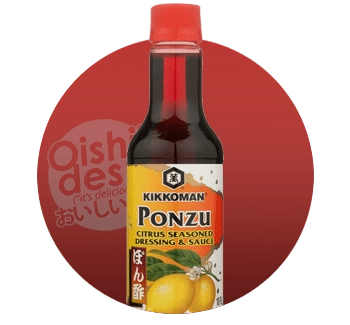
$4-$5 / 10 fl oz.
Probably the most common ponzu on US shelves due to Kikkoman world dominance (the worlds largest soy sauce producer in the world).
I am not a fan of this ponzu and it sat in my fridge for a year because lemons are super sour compared to yuzu and not a comparable substitute (I would prefer a grapefruit over a lemon).
| Amazon | $11.55 / 15 fl oz |
| Amazon | $16.99 / 64 fl oz |
| WebstaurantStore.com | $9.99 / .5 gallon |

Kikkoman Ponzu (Lime)

$15 / 10-64 fl oz.
A lime ponzu is a close American counterpart of the Japanese sudachi ponzu.
I think sudachi is closer to lime than a lemon is to yuzu.
| Amazon | $14.95 / 10 fl oz x2 |
| Amazon | $14.99 / 64 fl oz |

Kikkoman Chili Ponzu

10 fl oz
Japanese can’t handle spicy, and us Americans have our neighbors to the South who know wassup when it comes to spice.
Even though this product is listed on the Kikkoman website, I do not think it is widely distributed.

Kikkoman Yuzuka Yuzu Ponzu

$10-15 / 250 ml
It’s Kikkoman Japan, so they have different standards (higher Japanese standards for the domestic market).
It’s not like the US where Kikkoman is competing again Tapatio (from Los Angeles), Sriracha (based in Los Angeles), and Tabasco (Louisiana), in Japan it is all Japanese condiments so they have to bring their A-game.

Marukan Ponzu (Sudachi)

$10-$11 / 12 fl oz.
Founded in 1649 in Japan, Marukan is one-upping Kikkoman at the ponzu game with more authentic Japanese flavors because of the use of sudachi and yuzu versus limes and lemons.
The juices are diluted with lime, but at least they have substantial amount of sudachi.
Marukan Ponzu (Yuzu)

$5-$48 / 12 fl oz, x6
Marukan should be widely available on American shelves, like Kikkoman, so this is the Kikkoman citrus ponzu alternative. Along with being a vegan, gluten-free, non-GMO alternative.
Cocktails with yuzu exist because there is a substantial taste difference. Otherwise, they would use lemon.
| Amazon | $48 / 12 fl oz x6 |

Miyako

$32.50 / 64 fl oz. (RESTAURANT SUPPLY)
Restaurant size (64 fl. oz), or maybe you really love ponzu because I have a gallon of Louisiana Hot Sauce.
Miyako Oriental ponzu is distributed by MTC (NYC/LA).

Mizkan: Ajipon

$9-10 / 12 fl oz.
Mizkan Ajipon is the “standard” ponzu you will find throughout Japan (and in my refrigerator aside from the ponzu further below), the United States, and probably globally.
An old school OG ponzu and my default ponzu because it’s affordable and a solid tasting ponzu.

Muso Organic Ponzu Sauce

$14-$15 / 8.5 oz
A brand of Japanese products that seem to always come through with the epitome of whatever they are selling for the US market (organic, Kosher, to being critical of each ingredient).
This is not a slacker brand at all and Muso seems to deliver with all of their products.
| Amazon | $14.30 / 8.5 fl. oz |

Otafuku Vegan Ponzu

$6-$9 / 6.5 fl oz / 195 ml
Otafuku has a large product catalog of vegan sauces, and they are one of the few brands that also offers a vegan ponzu option.
Otafuku is one of the top brands for the Japanese dish tonkatsu (pork cutlet, a dish that resembles a German schnitzel).
| Amazon | $8.45 / 6.5 fl. oz / 195 ml |
| Otafuku (Direct) | $6.49 / 6.5 fl. oz / 195 ml |
Otafuku Ponzu

$19-$25 / .5 gallon
Ponzu sauce by Otafuku is what many restaurants throughout the country use (a pescatarian version), so if you had it in a restaurant, you most likely had Otafuku ponzu.
I have also seen Mizkan ajipon used in restaurants.
| Amazon | $24.99 / 63.9 fl oz / 1/2 gallon |
| Otafuku (Direct) | $19.49 / 63.9 fl oz / 1/2 gallon |

Suehiro Ponzu

$8-$19 / 5.1 oz / 150 ml
Additional elements:
A standout because this ponzu is made with a dark soy sauce and a blend of four types of natural Japanese citrus: Yuzu for aroma, Sudachi for acidity, Daidai for sweetness & Yukou for mildness.
Oddly, more widely available online than Kikkoman.
| Amazon | $18.90 / 5.1 oz / 150 ml |
| Japanese Pantry | $8-12.50 / 5.1 oz / 150 ml |
| Toiro | $14.00 / 5.1 oz / 150 ml |
| Walmart | $18.99 / 5.1 oz / 150 ml |

Teraoka Yuki Jyozo Co., Ltd.

$18 / 250 ml
If it were not for sites like Japanese Taste, good luck finding this product available anywhere else (unless you are in SoCal, then I recommend you hit up Nijiya market which sells the JAS organic version).
Teraoka is one of their featured product partners.

Yamasan

$18.90 / 10.14 fl oz
Yamasan is primarily known for its organic green tea products since they are in Uji, Kyoto, Japan. The region is known for its green tea production (Also, most Japanese companies do not cater to the US, although Yamasan does, nice).
The Yamasan ponzu is a four citrus blend.
| Amazon | $18.90 / 10.14 fl. oz / 300 ml |

Umaji-mura Yuzu Ponzu

$6-$14
The first time I peeled backed that seal of the bottle, I became a bottle sniffer of every bottle I opened of Umaji-mura’s amazing yuzu ponzu, my all time favorite ponzu.
For at least a decade, I have sought this yuzu ponzu out from a tiny village in the Kochi prefecture, and I am sure I have posted about it on my personal and Oishii_desu Instagram feed, and I am their number one fan.
I love this ponzu, and if you agree, drop me a message because I would like to hear from you because my friend Danni agrees, although it would be great to hear from others. Also, I did not promote this ponzu because I could not find it online for $9-13 because that is how much it is in SoCal at Japanese markets. I also did not list Amazon because I thought the price was ripping people off, but I leave it up to you to decide for yourself.
| NEW Amazon (June 23, 2023) | $28 / 500ml |
| Nijiya Market | $14.99 / 500 ml |
| Tokyo Central | Brick and mortar location (not sold online) |
| Direct (Japanese language only) | $6 (490円) / $125 (12,600円 x20 pack) |
What is ponzu used for
Walmart gets it right versus World Market labeling ponzu strictly for “Asian-inspired dishes” because sriracha has South East Asian roots, yet all of us have found a way to put it on anything and everything. The same goes for chilies, which originated out of Central America, and the Aztecs, who contributed to one product centuries later marketed as “I put that sh*t on everything,” not only Latin-inspired dishes.
“A savory sauce with a lingering sourness from Japanese citrus fruits. Extremely versatile and easily expanding into many styles of cooking as a spice-up seasoning.”
– Walmart
Also, soy sauce is in Peruvian Chifa (Chinese) cuisine, like lomo saltado, yet most people would not associate it with being Asian. So any dish you want a bit of saltiness mixed in with citrus is a match. So try it in ceviche, or in any and all foods from Latin America, Africa (poulet yassa), to Europe (calamari/squid dishes: grilled or fried to fish and chips) will find a place for ponzu.
- Grilled foods like beef, chicken, seafood, and pork.
- Deep-fried foods like calamari, oysters, to fish (and chips).
- Vegetables to salads.
- Japanese cuisine: shabu shabu (hot pot/nabe) dipping sauce, tatami (tuna), sashimi, gyoza, to a broiled hamachi collar topped off with ponzu and green onions.
Japanese bottled ponzu ingredients
Since I cook, I have loved to see the list of ingredients for ponzu, so I have listed every ponzu brand’s ingredients, along with how I think they stand out.
Many of these companies are upwards of or well over a century old, and like Maverick, they are the best of the best because they have all competed in Japan. So, the products listed below epitomize Japanese cuisine and ponzu.
Kikkoman is 106 years old, Otafuku 102, Mizkan 220, and Marukan is 375 years old.
| BRAND | INGREDIENTS LIST |
|---|---|
| Kikkoman Ponzu Lemon Orange | Soy Sauce (Water, Wheat, Soybeans, Salt), Water, Sugar, Vinegar, Salt, Bonito Extract (Fish), Lactic Acid, Lemon Juice, Autolyzed Yeast Extract, Natural Lemon and Orange Flavors with Other Natural Flavors, Succinic Acid, Disodium Inosinate, Disodium Guanylate, Sodium Benzoate: Less than 1/10 of 1% as a preservative. |
| Kikkoman Ponzu Lime | Water, Soy Sauce (Water, Soybeans, Wheat, Salt, Alcohol), Vinegar, Sugar, Salt, Lime Juice Concentrate, Natural Flavor, Yeast Extract, Sodium Benzoate: Less That 1/10 of 1% as a preservative. |
| Kikkoman Ponzu Chili Lemon w/some spice | Water, Soy Sauce (Water, Soybeans, Wheat, Salt, Alcohol), Sugar, Vinegar, Salt, Lemon Juice Concentrate, Natural Flavor, Xanthan Gum, Sodium Benzoate: Less That 1/10 of 1% as a preservative, Garlic Powder, Spice. |
| Kikkoman Yuzuka A lot of yuzu w/ a hint of apple-cider vinegar | Soy sauce, yuzu citrus juice, salt, sugar, fermented vinegar, apple-cider vinegar, kombu (kelp), mirin (sweet sake), alcohol. |
| Marukan Ponzu Gluten- free ponzu w/lemon & sudachi | Water, Tamari Soy Sauce (Water, Soybeans, Salt, Sugar), Sugar, Rice Vinegar, Sudachi Citrus Juice, Citric Acid, Concentrated Lemon Juice, Sudachi Essence, Yeast Extract. |
| Marukan Ponzu Gluten-free with yuzu and lemon | Water, Tamari Soy Sauce (Water, Soybeans, Salt, Sugar), Sugar, Rice Vinegar, Yuzu Citrus Juice, Salt, Concentrated Lemon Juice, Citric Acid, Yuzu Essence. |
| Miyako Ponzu Ajipon Umami laden ponzu with 3 citrus juices | Naturally Brewed Soy Sauce (Water, Soy beans, Wheat, Salt), Filtered Water, Glucose, Distilled Vinegar, Sweet Sake, Kombu Extract, Bonito Extract, Sodium Benzoate, Citric Acid, Citrus Juice (Orange, Lemon, Lime Juice from Concentrates) and Natural Flavor |
| Mizkan Ajipon Basic yet a solid ponzu | Soy sauce, glucose fructose liquid sugar, citrus juice, vinegar, salt. |
| Muso Organic A brand that delivers with organic (includes shiitake) | Water, Shoyu* (Water, Soybeans*, Wheat*, Sea Salt), Rice Vinegar* (Water, Rice*), Yuzu Citrus*, Potato Syrup (Potato Starch, Barley Malt), Salt, Yuko and and Sudachi Citrus*, Salted Sake* (Water, Rice*, Salt), Kombu Seaweed, Dried Shiitake Mushrooms* *=Organic Ingredients. Contains Soybeans, Wheat, Certified Organic by JOA. |
| Otafuku Ponzu Restaurant supply sized lemon and yuzu ponzu | Water, Soy Sauce(Water, Wheat, Soybeans, Salt, Citric Acid), High Fructose Corn Syrup, Distilled Vinegar, Concentrated Lemon Juice, Yuzu Juice, Salt, Concentrated Bonito Broth(Bonito Extract, Sugar, Yeast Extract, Dextrin, Alcohol), Yeast Extract, Kelp Extract(Kelp Extract, Hydrogenated Starch Hydrolysate[Corn, Potato, SUgarcane]), Alcohol, Salt Xanthan Gum. CONTAINS: Fish(Bonito), Soy, Wheat |
| Otafuku Vegan Known for vegan sauces, Otafuku comes through once again | Water, Citrus Juice (Lemon, Yuzu, Yukou and Sudachi), Vinegar, Sugar, Soy Sauce (Soy Beans, Water, Salt), Salt, Yeast Extract. |
| Suehiro Ponzu A dark soy sauce ponzu 4 citrus blend | Dark Soy Sauce (Water, Soybean, Wheat, Salt, Alcohol), Citrus Juice (Yuzu, Citrus Sudachi, Bitter Orange, Yukou Citrus), Mirin (Rice, Rice Koji, Brewing Alcohol, Starch), Konbu Dashi (Water, Kelp), Sugar. |
| Teraoka Organic It’s “organic,” now you’ll be a better person | Organic soy sauce (soybean, wheat), organic rice vinegar, organic yuzu citrus juice, organic sugar, bonito flake, salt, yeast extract, vitamin C. Made in Japan. |
| Umaji-mura Yuzu Ponzu My all time favorite yuzu ponzu | Honjozo shoyu, Jozo vinegar, Fructose glucose syrup, Dried bonito extract, Seaweed extract, Mirin, Seasoning including amino acid, Sake, Sweetener, and soy wheat. |
| Yamasan Ponzu A brand known for organic tea | Koikuchi soy sauce, citrus juice (yuzu, sudachi, daidai, yuko), mirin, kelp soup stock, sugar (some of the raw materials include soybean wheat) |

Lemon icons created by Freepik – Flaticon
